Development continues

· 5 min read

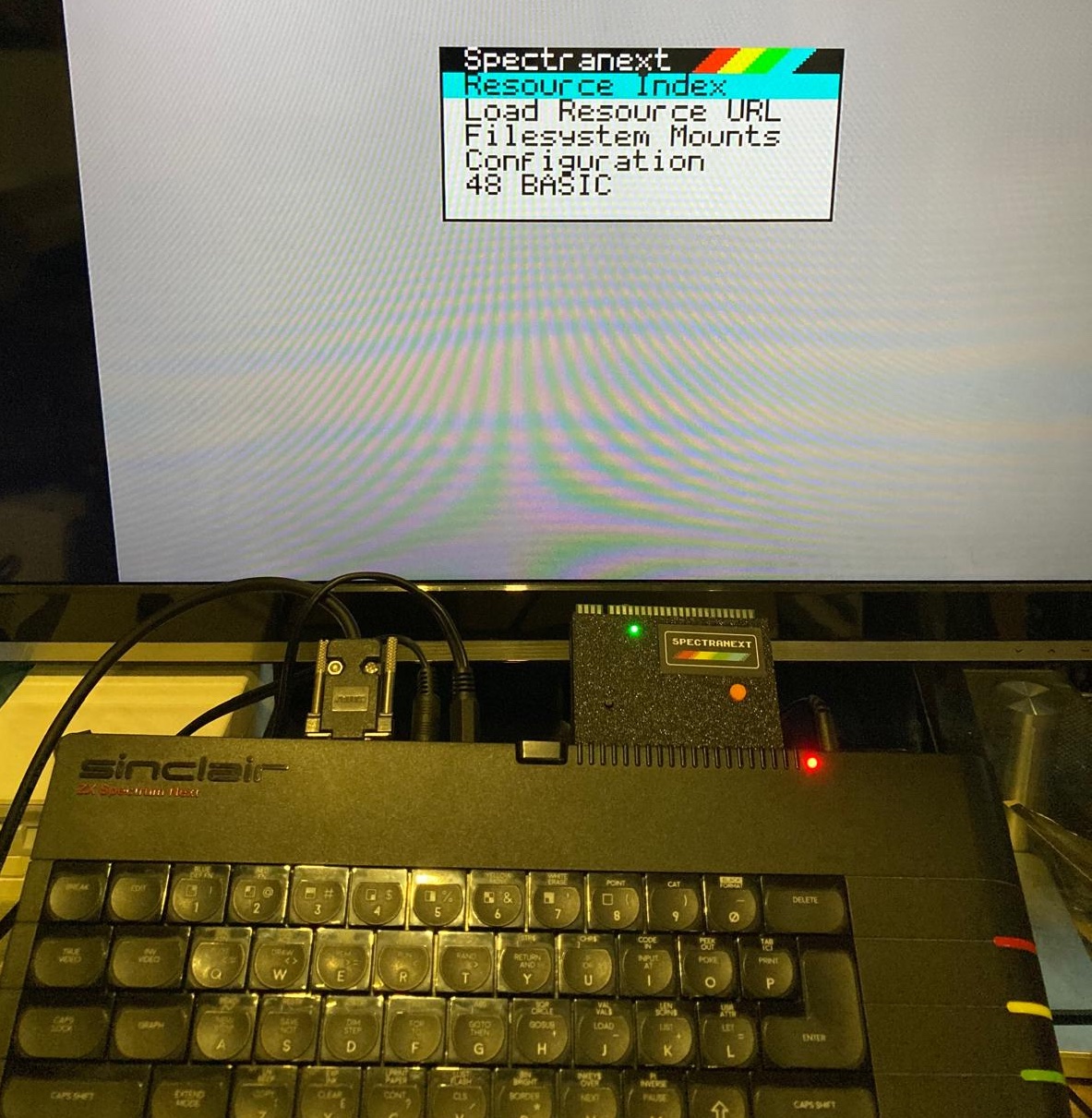
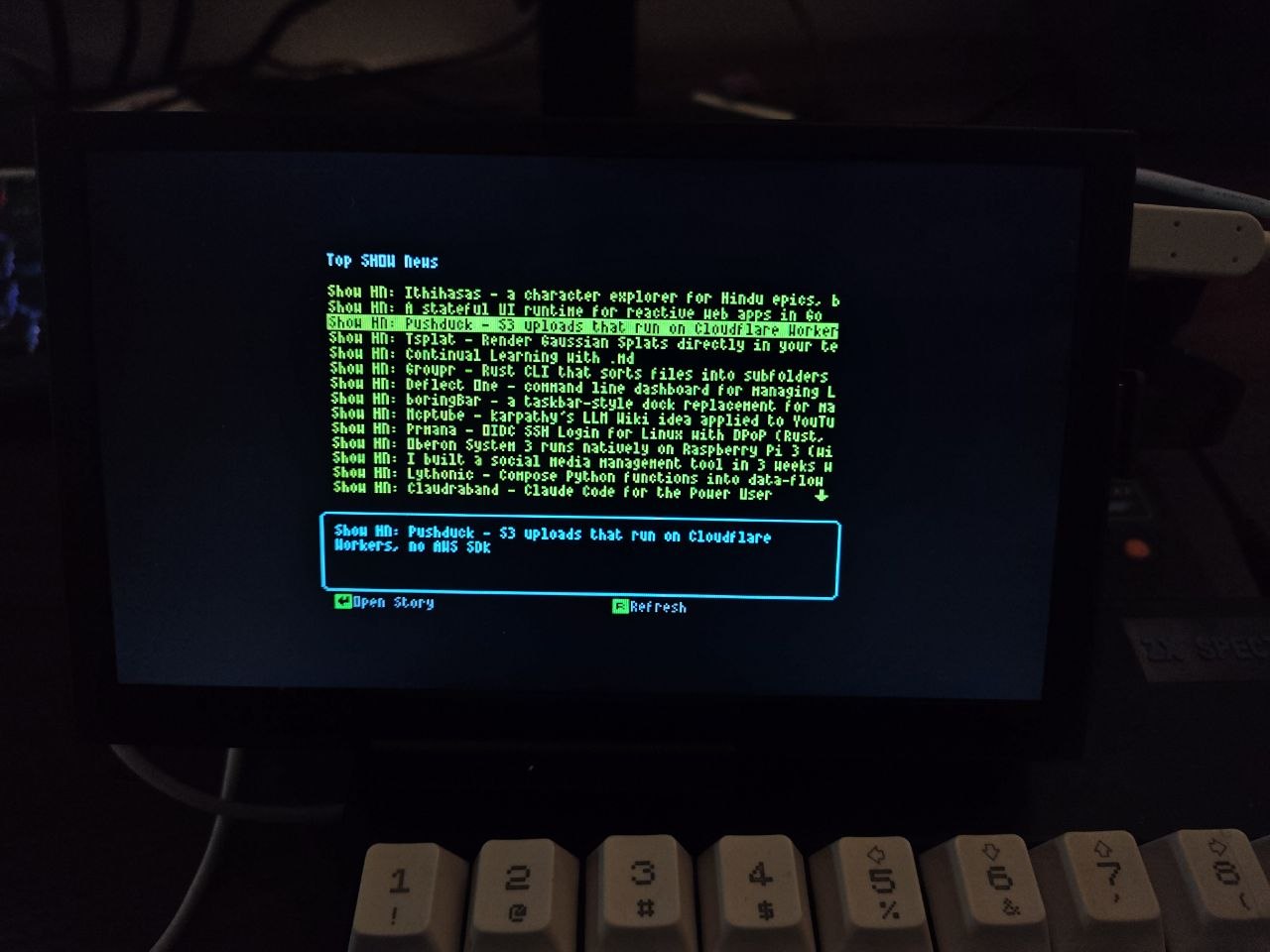
Spectranext development continues. The latest work is focused on making the built-in tools more capable.

If you're interested to try this already (although it could be buggy), do

  • Select Configuration
  • Spectranext settings
  • Over-the-Air Update
  • Select 2 for BETA
  • Save
  • Reboot
  • Receive an update

There is still plenty to build, but these changes are moving Spectranext toward a system where built-in tools are easier to extend.

Persistent storage on Spectranext

· 3 min read

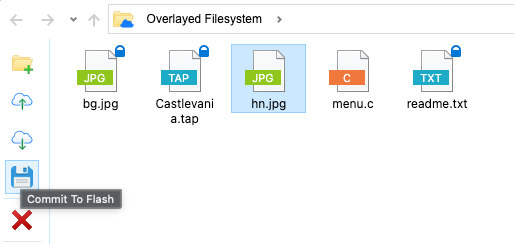
Spectranext now has persistent (permanent) file storage.

img/commit.png

The recent update adds a second 4MB filesystem on top of the existing 4MB temporary storage. The temporary RAM storage is still there, and it is still useful: it is fast, good for quick iterations, and convenient for programs that need scratch space while they run. The new flash storage is for the files you want to keep.

HTTPS mounts are now possible on original Spectranet

· 3 min read

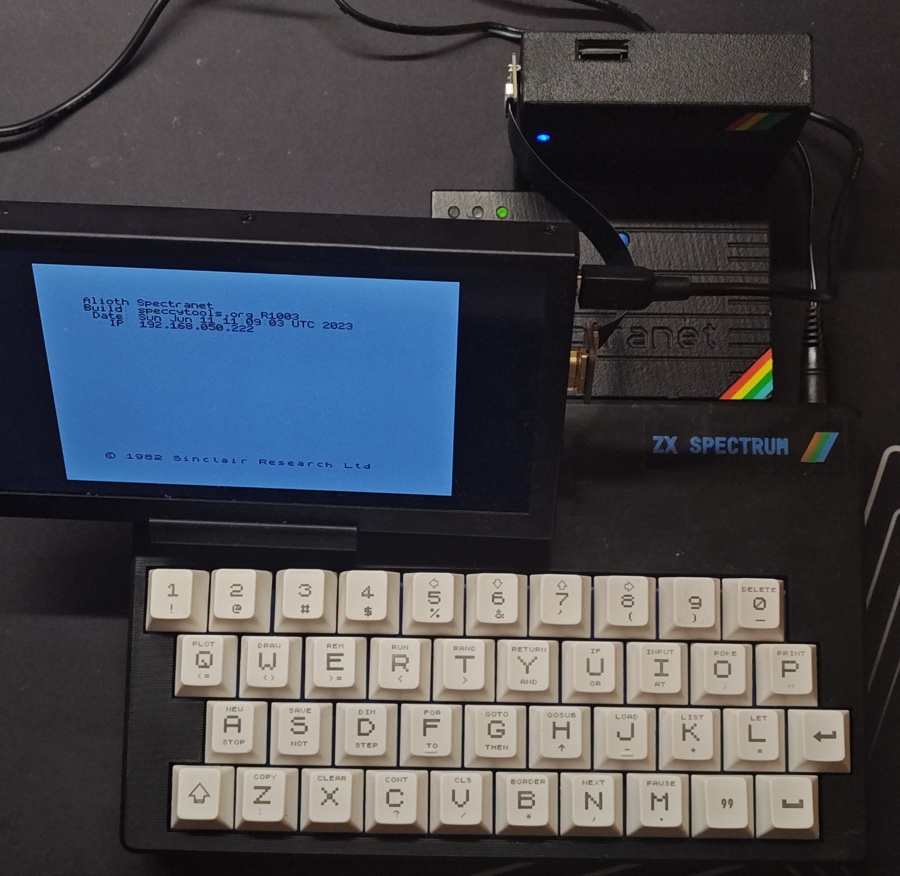
HTTPS mounts are now possible on original Spectranet hardware.

Next

Spectranext makes publishing resources much easier: host a folder on the internet, and the cartridge can mount it over HTTPS. That is good for new software, but it creates the same kind of problem the Spectrum 128K faced: developers want to use the newer capabilities, while still reaching the widest possible audience.

If a game, tool, catalogue, or update channel only works on Spectranext, it leaves original Spectranet users behind. That is not great for developers, and it is not great for users either.

Unbound, the game

· 5 min read

Unbound Logo

Spectranext will come with a companion multiplayer game, called Unbound, which will be available for free for everyone to play with Spectranext.

This article covers the setting and mechanics of the game.

Support for +2/+3 Spectrums

· 2 min read

+3 Switch from close by

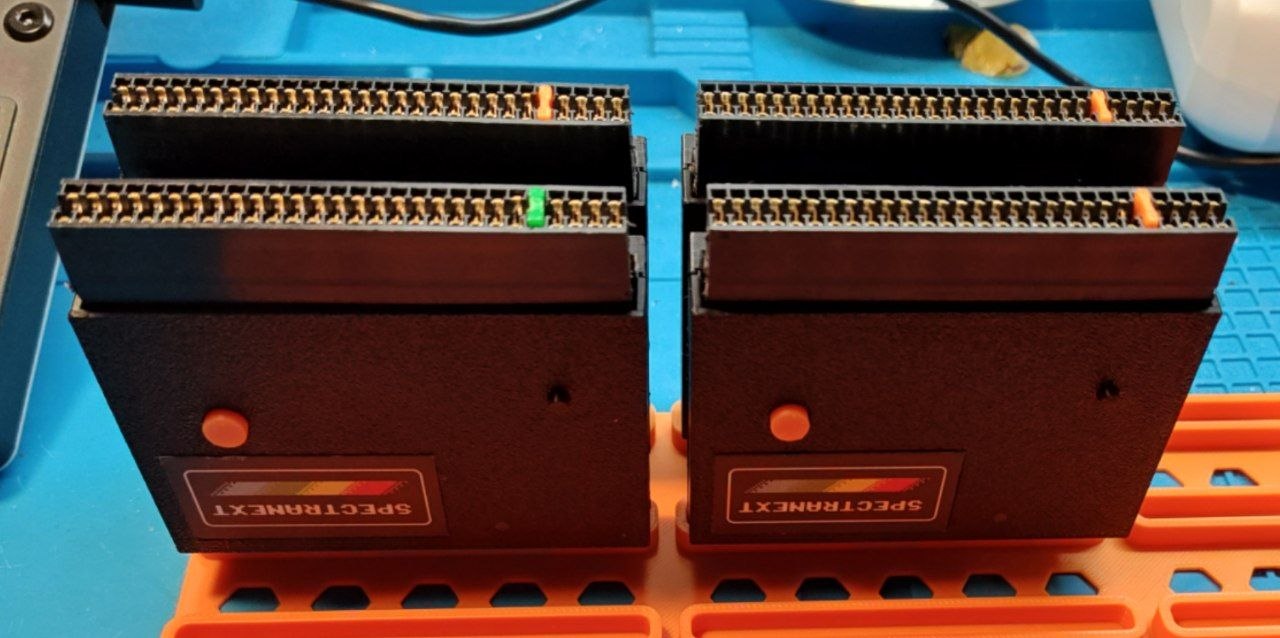
Spectranext is built for the ZX Spectrum user port (48K, 128K “toastrack”, +2, +3). The cartridge has now been exercised on a +3 end-to-end; earlier revisions did not behave there even though 48K machines looked fine.

On the 48K edge connector, several user-port lines are unused or tied to VIDEO. On +3, the same physical lines drive on-board ROM chip selects: the cartridge’s ROM-disable outputs sit in that path. Both ROM CS lines are asserted together when the Spectranet ROM is paged in—electrically consistent, but the +3’s own ROM paging and reset timing are different from a rubber-key 48K.